College Decisions Reactions
Can Stress Possibly Be Good For You?
Written on March 9, 2020
Stress is often seen as an exclusively negative situation: Homework deadlines pile up with multiple classes, family drama potentially takes its toll, and busy extracurricular schedules wear us thin. We end up exhausted.
Stress can come in two different ways according to The American Institute of Stress: “distress,” which refers to the negative feelings of stress such as familial issues or a breakup, and “eustress,” which refers to stress from positive things such as starting a new job. There are also two different ways in which stress can be felt. Chronic stress, which is defined as “the physiological or psychological response to a prolonged internal or external stressful event,” according to the American Psychological Association, has been linked to unhealthy eating, skin problems, and even an increased likelihood of chronic disease. Acute stress, which is more common, is the fight or flight response that we naturally feel as a form of defense against change and tasks that require excess additional effort in our everyday lives.
In small doses, however, experts say that stress can actually have fairly positive effects. “Moderate levels of daily, manageable stress may help protect against oxidative damage, which is linked to aging and disease,” Psychoneuroendocrinology found in a 2013 study. Some upsides of experiencing stress include enhanced motivation, increased resilience and growth, indication of a more meaningful life, and even the promotion of bonding.
While a busy life full of homework and chaos can feel overwhelming and sometimes decrease motivation to get started, a little bit can go a long way when it comes to time management. “I have written some of my best essays when I put them off until the last minute. The drive to get it done well comes when I start to get stressed about not getting it done,” says Dan Crowley, senior at LHS. The stresses of a deadline can help people focus and pay more attention simply due to the fact that time is running out. When it comes time to do a big project that you had put off, you realize that it is time to grind it out. “We have all had the experience saying, ‘oh I’ve got to get such and such done’ but not being able to find the motivation to do it until we are stressed because it is due the next day…,” says Kathleen Gunthert, a professor of psychology at American University as seen in Time Magazine. “That fight or flight response can kick us into gear sometimes.”
Another way in which stress can be positive despite it’s overwhelming quality is through its development in our growth and mental toughness. It forces us to problem-solve and build confidence in skills that we’ll need for the future. Having to work through stress and make important decisions under that stress will always be a crucial skill in life. Overwhelming situations come in all shapes and sizes, so what may be stressing you out now, could actually better prepare you for what may stress you out later. With increased resilience and confidence in handling situations causing stress, one will feel less threatened in those situations going forward. After facing a challenge, you will feel more equipped to handle it in the future, since you have already experienced it.
One of the most surprising benefits of stress is that it can help build interpersonal relationships, which are key to overall health. “Knowing someone is going through the same kind of stress that you’re going through, is reassuring. We’re all stressed… but together,” says Jenna Iaciofano, another senior at Lincoln High. When people feel understood by another person, they feel less alone and less isolated, especially when it is so easy to become bogged down by the pressures of stress. School for example, is a common place for people to talk about their stresses with others, which actually can help build compassion. By opening up to one another, people feel better because they can relate to each other’s struggles and are able to validate their feelings, creating a positive from the often negative experiences of stress. Talking to friends and family can build and strengthen relationships too. “A lot of our friendships or family relationships wouldn’t be the same if we hadn’t supported each other through some of the tougher times,” says Gunthert.
A life without stress isn’t necessarily better. Take, for example, a student in Lincoln High School who plans on going to college. The application process is competitive, the coursework can be challenging and after graduation, transitioning from a high school setting to a college one can be a learning process. However, in the end, one accomplishes something to be proud of. The things that we are most proud of, that bring the most meaning in our lives, are hard. If we took out the stress, we’d also likely take away much of the meaning in our lives.
Spirit Week Lip Dub
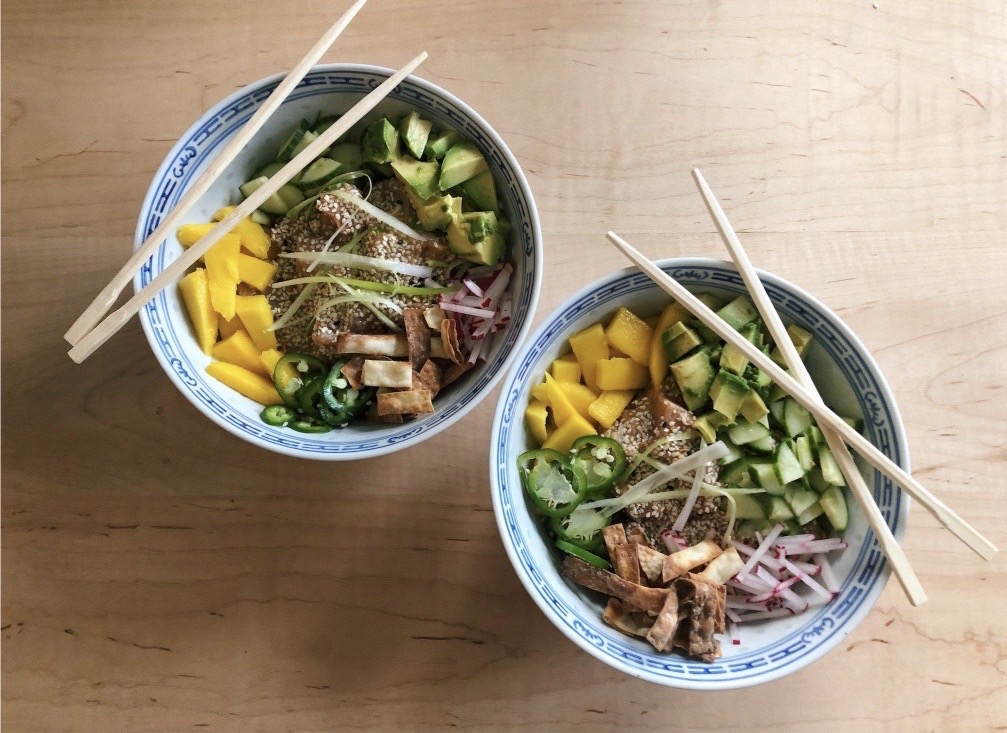
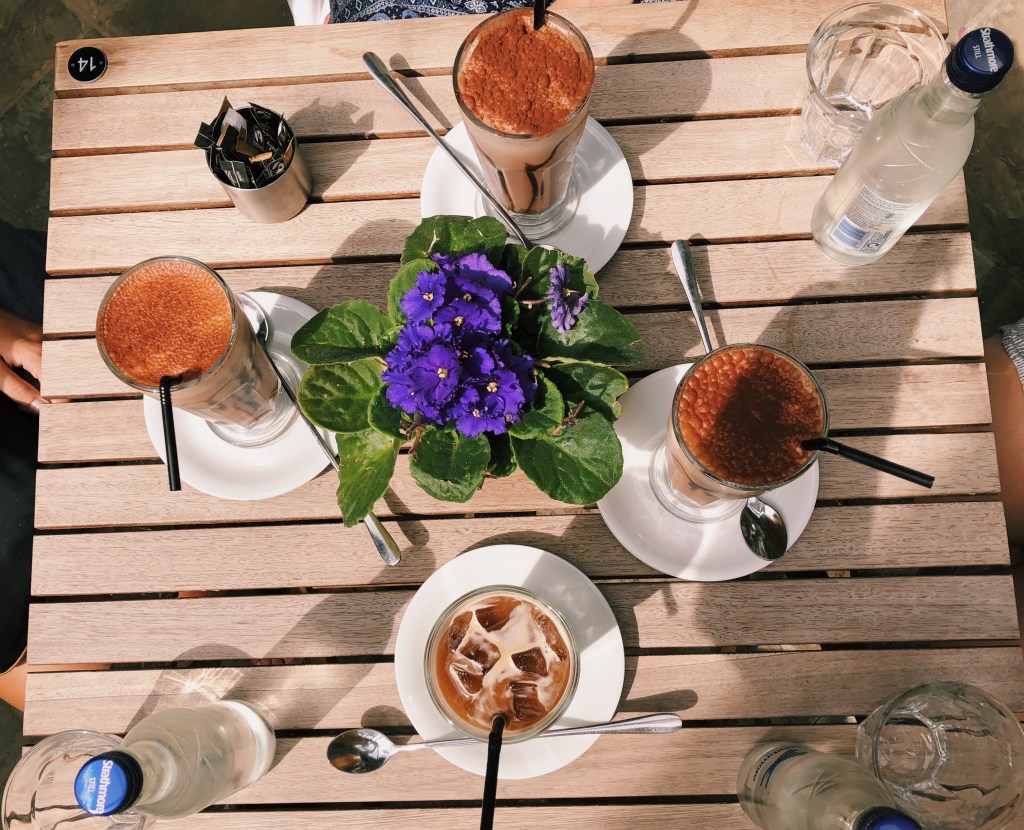
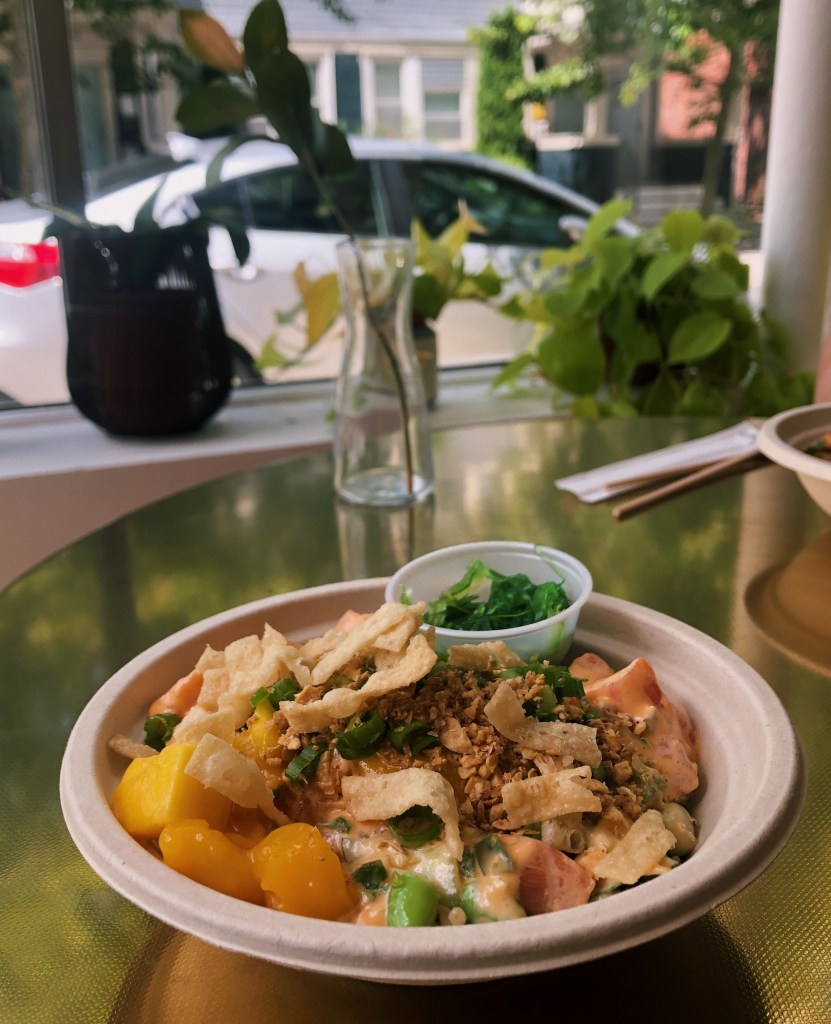
Diary of Foodies

To Be an Educated Woman
Written on January 25, 2020
It is hardly something we think about positively, attending school and waking up at 6:30 in the morning to go.. what? Learn? Believe me, I’ve done as much complaining as the next high school student about homework, lengthy projects, nerving presentations, and “that-wasn’t-on-the-study-guide!” tests. We all complain, and that is okay. However, while my girl friends and I are discussing our heaps of homework and those tricky test questions, there seems to be a disregard for our advantages. Now, I’m not saying we are all ignorant with a blatant nonobservance of our benefits; it’s very common to see a negative stigma surrounding school in America. We overlook our access to education because of just how available it is to us, while many people, predominantly women, are being held back for numerous reasons.
With more women than men enrolled in United States’ colleges, we may assume that the education of women and girls is no issue, but that is not the case. According to data collected by the Right to Education Project in 2016, women get an average of two years of schooling in at least 15 developing countries, while there are also over 130 million women and girls who are without an education. This being a contributing factor, approximately two thirds of the world’s illiterate are women, while women make up almost a perfect half of the world population. To us, these are just saddening numbers that we frown about and move on, but for 130 million girls, these numbers are a harsh reality.
Reasons why these women are being taken out of school, or unallowed to attend at all, are numerous. One of these reasons is poverty. The cost of education entails uniforms, bus fares, and textbooks, which bear too much of a struggle on many families living in poverty, especially if they have multiple school-aged children. Oftentimes, parents will decide to send their boys to school and let their girls stay home if the decision must be made. Poverty also contributes through children’s health. If parents lack sufficient food and water to keep their children nourished and healthy, it is doubtful that these kids will be able to attend school.
Another dominant barrier to girl’s education is child marriage and pregnancy. As girls are often pushed to marry young in South Asia and sub-Saharan Africa, they are also pulled out of school at a very critical age in their development. The transition between middle school and high school is a crucial point in a child’s education where they generally learn most life skills, including tactics for escaping a cycle of poverty. However, this is generally the time when girls must leave school due to early marriage and pregnancy. According to Plan International, women who become pregnant are immediately discouraged from attending school so that they can pick up their “motherly duties” as well as to escape a negative stigma surrounding pregnant young women. Other barricades to an education for women include school-based violence and gender norms in religious and cultural circumstances.
If there is one thing that we must know from being so (luckily) highly educated, it is that education is unbelievably powerful. When women are more educated, society as a whole is more educated. The benefits of knowledge are priceless, even in ways that would surprise us.
Of course, increased literacy and the ability of women to achieve more in their careers are two expected profits that come with more women being educated, but there are many social factors of benefit that we don’t even think of. According to the United Nations Inter-Agency Project on Human Trafficking, women are most vulnerable to sexual exploitation and trafficking when they are uneducated and poor. Additionally, in many underdeveloped countries, one in every three girls is married by the age of 18, where regions that provide women with seven or more years of schooling delay the wedding date by almost four years. Educated girls typically marry later, when they are better able to bear and care for their children. As the Afghan author Khaled Hosseini said: “Marriage can wait, education cannot.” Education of women, especially mothers, also brings about an increased survival rate for the adults of the future. According to the United Nations Girls’ Education Initiative, children of educated mothers are twice as likely to survive past the age of five. Knowledge can most definitely save lives.
It can also make economies thrive. For the women themselves, their economic standing in underdeveloped countries could soar, as there is a 12% increase in wage with each additional year of schooling. “Education empowers a woman’s wallet by boosting her earning capabilities,” says Lauren Stepp from The Borgen Project, a program which helps fight global poverty. When women are provided with equal access to education, they go on to participate in business and economic activity. Increased earning power and income help combat against current and future poverty through feeding and providing for entire families. Gross Domestic Product also takes off when both women and men, girls and boys, are being offered educational opportunities. Lauren Stepp states that “when 10 percent more women attend school, GDP increases by three percent on average.”
There are numerous statistics backing the significance of a woman being educated: so many that delving into them all would formulate a short novel. While we have been complaining about homework and derivatives in calculus, we should probably take some time once in awhile to appreciate our becoming better-educated and well-read women of society. Education is a truly powerful thing and taking it for granted would be a mistake.
New Year! New You…?
Written on January 10, 2020
It’s finally the start of a new decade! Of course, if you’re anything like me, the idea of a “fresh start” is exciting. Each year I get together with my friend, Anna Gillen, and we indulge in a major reset of both our minds and our environments. After a few years of going through this pattern of setting goals and utilizing the new year to “reset” my life, I feel as though I’ve acquired some serious restart skills. If you’re looking for a way to refresh yourself and your mind and get motivated for the year to come, this is your guide to just that.
Step 1: Reflect on your regrets.
What you’ve learned from past mistakes and what you’d like to change about ways that you’ve acted or made decisions are two of the most important things about recognizing what you want to do for yourself in the future. How you can shift your life for the better is something that can only be realized through reflecting on times when your life wasn’t the best. Another large part of this is thinking about what you want for the next year to come. By looking at the big picture that you envision for your next year, you’re able to better understand what goals and tasks need to be completed to arrive there. After you think about the year to come, it could benefit you further to look into what you’d like for yourself in terms of the next five to ten years as well.
Step 2: Think about goals you’d like to set.
Think about a general idea of the goals you’d like to set for the year. Unlike “resolutions,” goals can be set and modified for easier completion at any point. By attaching the idea that January = a time to start fresh can be helpful, but it also often eliminates the idea that you can set goals and start fresh whenever you’d like. Try not to focus on what you can change for the year, but try to think of goals in small sections and what you want to build towards while knowing that things can shift and change throughout the year.
Step 3: Write it down and categorize.
Actually set your goals! They don’t always have to be perfect, but they should be manageable and SMART. At one point or another, you’ve probably had to write SMART goals in school or through something else. Although they may have been tricky to think of or not-so-fun when we were younger, there’s nothing more satisfying than completing a goal that challenges you as we grow into our adult selves and figure out whatever the heck the future holds. A goal that checks all the boxes to be considered “SMART” is the best way to make them achievable. SMART stands for specific, measurable, attainable, relevant, and timely. For instance, creating a goal for yourself like “lose weight” sounds simple and easy from the start, but you will never feel motivated to complete it if it isn’t specific or timely, and you will never be able to feel as though you accomplished something if it isn’t attainable or measurable. Something more along the lines of “Go to the gym at least 3 times a week” ensures that your goal can be completed and accomplished.
I recommend splitting your goals into categories in order to see the areas in which you’d really like to improve and grow. The categories that I always focus on are:
- Education
- Physical and Health
- Relationships/Friendships
- Finances
- Personal Development
Of course, your categories can change and be more specific to you, but I believe this is a great place to start.
Step 4: Think about what to DO.
Alongside goals, it is beneficial to think of things you want to accomplish or complete during the year. Things to DO like traveling somewhere, drinking a certain amount of water each day, or even read a specific amount of books over the year. These things aren’t necessarily goals, but they can add a lot of excitement to the year and can cause you to branch out of your usual routine or lifestyle. Generally, they will bring improved wellbeing, enjoyment, or new habits that can bring the year some “flavor.” They are also incredibly fun to plan out.
Our Confidence Depends on Social Media
Written December 2019
Of course I hate to admit it, but social media has shaped my concept of beauty, and I’m sure it has shaped yours, too. I am, for better or worse, constantly viewing images and videos posted online by just about anyone. Oftentimes it’s my peers, sometimes it’s celebrities, and once in a while it’s distant acquaintances- a friend of a friend. As a result, social media and body image have become inextricably linked- the way I perceive my own physical appearance is deeply affected by the posts that I consume.
When I’m feeling lazy, I find myself going onto Instagram or TikTok to let myself mindlessly scroll. Instead, I often become enthralled in other’s lifestyles, goals, and looks. Whether a celebrity or that friend of a friend, it becomes an easy task to begin comparisons. Social media is known for doing just this: in popular body positivity campaigns and even in our own health classes, the negative comparisons coming from our socials are heavily discussed.
Becoming involved in the way someone else looks or goes about their day immediately presents the opportunity for us to compare ourselves to them, especially if they have or don’t have a certain attribute that we feel insecure about. The best thing that you could do, in my opinion, when you’re feeling less than confident because of your own comparisons, is take a step back from the scrolling. Even if you feel like there is no correlation, try to think about doing something a bit more energy-inducing or brain-stimulating. It can only help.
There’s also the option to unfollow those whose profiles cause you to find yourself feeling negatively towards your own life or image. Even though you don’t want to admit it, or may feel awkward unfollowing without a “better” reason, there’s nothing wrong with facing a toxic way in which you’re putting yourself down and trying to prevent it.
Social media influences how we look at ourselves both positively and negatively, and it’s important that we understand the effects in order to limit their impact on our mental health.
Divorce Versus Education
Written November 2019
Parents generally want the best for their children. They hope to instill strong values in their kids’ lives that will prove useful in the “real world,” and when those kids grow to attend school and sometimes pursue higher education, everyone—the community, state, teachers, and parents—hope for their success. However, home situations can often become inevitable factors in a child’s academic success without anyone being able to determine the effects.
According to the United States Department of Health and Human Services, more than forty percent of American children will experience the divorce of their parents. In Rhode Island alone, about 23% of adults aged 50-54 were divorced in 2017. This is hardly a surprise since the divorce rates between 1980 and 1990 spiked to an all-time high and the dissolution of marriage became a far more normalized concept. In fact, you probably know your own fair share of people around you with divorced parents or who have gone through a divorce themselves. Divorce can be a tough alteration in any family, especially when it comes to the potential children involved, but just how great of an impact could this have on their education?
Divorce and separation have been found to correlate significantly with diminished school achievement and performance. Since parental separation often results in negative effects on children, including perceived guilt, blame, stress, and diminished resources for the children, it is not surprising that parental separation has also been reported to negatively affect a child’s motivation, engagement, and learning behavior in the classroom. The fact of the divorce alone, however, is not often what causes this complication. Students experiencing divorce are recognized to have deterred performance in school mainly due to the distraction that is causes. “Coming home everyday knowing that I needed to adjust to new routines and learning to live with only one parent -half my support system- was definitely a lot harder for me to do when I simultaneously had to focus on studying for a big test the next day,” says one junior who recently experienced the divorce of their parents. The stresses that a child is going through regarding school have to become second to the stresses being dealt with at home such as involvement in arguments between parents, probable moving situations, and even court attendance.
The statistics of the effects on a child’s education, however, demonstrate that the situations from which the divorce stems or the background of the family long before the divorce are really what display educational outcomes. The age of the child is one substantial factor that can make a difference in the effects of a divorce. Generally, when a divorce happens in a child’s life at a young age, it has less of an impact on that child’s schoolwork. This is due to the fact that when kids enter into middle school and high school, they are also entering into more rigorous schooling with increased homework and serious progression in the math, science, english, and history courses.
One senior at Lincoln High says that their parents divorced when he was only seven, and the fact that they did before the stresses of middle and high school was better for him both mentally and emotionally. “It’s definitely a good thing that the divorce actually happened when I was younger rather than them staying together unhappily for many years. I feel like I grew up in a better way than I would have if they had divorced later in life.”
While this transition happened so early in life for this senior, a junior at Lincoln High went through a parental divorce only last year, which she felt truly impacted her studies. “Even a year later, I am still affected by the lack of time and space that school allowed for me to really take in and process my parents divorce,” she said. Not only was this academically overwhelming, but it placed a mental distress on her as well. “All of this added stress caused my mental health to suffer with long-lasting effects.”
It has also been shown that children whose education is most affected by divorce are those whose parents’ are not statistically likely to divorce, based on socioeconomic status. Those that fall into a more advantaged class, according to a study conducted by Jennie Brand which examined data on the family and socioeconomic backgrounds of 11,512 children, tend to exhibit additionally affected education outcomes. The study, published in the Proceedings of the National Academy of Sciences, also studied 4,931 mothers. Brand and her fellow researchers found that the mothers who were most likely to get divorced were women who themselves grew up in single-parent families, have inflexible work hours, and have depressive symptoms. Divorce was also more likely in instances where spouses were of different races or had different levels of education. In these situations, while divorce still affected the children in various ways, school performance seemed to deter the educational success of those who came from statistically unexpected divorce. The paper noted that children in a group of “likely to divorce” parents already had lower levels of academic achievement — so a divorce generally didn’t make things better or worse for them.
Although many studies have been done to test the effects and likelihood of divorce and the ways in which it impacts the education of children experiencing it, it’s truly impossible to measure the effects on each group of child because every divorce is so incredibly different. “Our findings suggest that divorce is just one of many hardships that disadvantaged families face, which makes the event less disruptive,” Brand wrote In the University of California: Los Angeles’ report of the study. Brand is also is the director of the UCLA California Center for Population Research and co-director of the UCLA Center for Social Statistics. Divorces vary so much that other hardships may or may not come into play when it comes to a child’s focus on their education, deeming it hard to measure the simple fact of divorce.
Family psychologists suggest that in order to help kids cope with the divorce, parents should not only talk to their children, but also maintain a normal routine and not involve the children directly in the conflict. If you notice that a peer is feeling overwhelmed or having difficulty coping with a divorce situation at home, encourage them to seek professional help from a teacher, a school counselor, social worker or psychologist.
Your Fall Essentials
Written in October 2019
Fall is undoubtedly one of my favorite seasons. The temps are cooler, the air is crisper, and everything is just a little bit cozier. To really dive into the spirit of the season, here are a few essentials that help make autumn a season that everybody can love:
Wardrobe:
- Crewnecks– Not only do crewnecks have a bit of an athletic look, but they also provide maximum comfort during the fall season. Because fall is simultaneously warm and cool, a crewneck’s sweatshirt material but lightweight feeling can be the perfect fit for autumn.
- Knit Sweater– Everyone knows that fall is sweater season. Whether a chunky or thin sweater, they are great for any day during the season. Warm fall shades or soft neutrals are the way to go whether you choose wool, cashmere, or breathable material. A good ol’ knit sweater can spice up any pair of jeans, leggings, skirts, etc!
- Booties– Cropped denim and a cute pair of booties? Almost nothing says “autumn” like that. You can even add a pop of color with booties to give some character to your fall fit!
Skincare:
- Thick Facial and Body Moisturizers– No more lightweight, oil-free moisturizers. The fall means things are getting colder, and your skin is getting dryer. Heavy creams with ceramides, which naturally occur in the skin but need to be replenished, are the way to go. Moisture-boosting lotions can give your skin that healthy summer glow, but in autumn.
- Any Lip Balm– It is so important! Lips can become extremely dry and cracked due to cold weather and wind exposure. We all know just how uncomfortable it is when our lips are cracked or peeling, so it’s best to stick with a great lip balm.
- Hydrating Face Masks– Face masks are fun, relaxing, and genuinely helpful. Not only do they help contribute to your skin’s moisture, but they can be enjoyable as well! Check out the fall-inspired facemasks on the shelves next time you look for one, as they can also get you in a fall comfort mood.
Food & Drinks:
- Pumpkin Spiced Things– Of course. It’s no surprise that pumpkin is a prominent fall flavor, so try some pumpkin stuff! It isn’t just about lattes and coffee flavorings, there are also other pumpkin-spiced items to try out. One delicious option is Creative Snacks Co. Pumpkin Spiced Pretzels.
- Apple & Cinnamon– Out of all the apple and cinnamon flavored things during fall, apple crisp is my absolute favorite. The warm flavor mixture of apples with cinnamon is classic for autumn. There are apple pies, applesauces, and lots of sweet desserts and pastries to fulfill the apple-cinnamon need.
- Starbucks drinks– Sure, everyone knows that Starbucks’ pumpkin spiced lattes can be great, but the pumpkin cream cold brew is even better for the coffee lovers. It has a bold taste with delicious pumpkin cold foam, which adds a sweetness. There is also an item right off the secret menu that is the perfect fall drink: chai tea latte with pumpkin cold foam. It’s a bit sweet, but totally addicting.
- Dunkin– For those of you who dig Dunkin’ more than Starbucks, there are options for you as well! Their apple cider donut pairs the great fall flavor of apple cider with the sweet softness of a Dunkin’ donut. What could be better?
- Meals- Some great meal ideas for fall include, soups, stews, chilis, and grain bowls that include warm and filling food items such as sweet potatoes and turkey!
Accessories:
- Candles– Whether you’re looking for your candle favorites or trying out fall scents, candles have fall written all over them. They are truly one of my favorite things about the cozy season and they can add so much to any home, room, or space of comfort. Think of adding other fall decor as well, like little pumpkins and Halloween decorations.
- Nail polish colors– With fall in full swing, the nail polish colors coming into focus are fresher than ever. For this season, I recommend the classic neutrals — like warm brown, creamy tan, sparkly champagne, and gold glitter shades — plus deeper red-wine and purple tones for those still in the transitional period from summer.

